Brake fluid change - when and how much it costs
A brake fluid flush costs $80–$150 at an independent shop, or $120–$200 at a dealership, and most manufacturers want it every 2–3 years regardless of mileage. The reason is chemistry, not wear: glycol-based brake fluid (DOT 3, DOT 4, DOT 5.1) is hygroscopic, meaning it pulls moisture out of the air through brake hoses and reservoir seals. After three years, water content typically reaches 2–3%, enough to drop the boiling point by 100°F and turn a panic stop into brake fade. It's the most-skipped service in scheduled maintenance, and it's the one that can leave you with a pedal on the floor.
How Much Does a Brake Fluid Change Cost?
A complete brake fluid flush runs $80–$150 at an independent shop, $120–$200 at a dealership, and $25–$50 if you do it yourself. The price gap mostly comes down to labor: the job takes 30–60 minutes of shop time at $80–$150 per hour, plus the cost of a 32 oz container of fluid. European vehicles cost more because BMW, Mercedes, and Audi require DOT 4 LV (low viscosity) fluid that runs $15–$25 per liter instead of the $8–$12 for standard DOT 3/4.
A brake fluid flush costs $80–$150 at an independent shop, $120–$200 at a dealership, or $25–$50 as a DIY job. Standard DOT 3 or DOT 4 fluid runs $8–$12 per quart; European DOT 4 LV (required by BMW, Mercedes, Audi) runs $15–$25 per liter. Labor takes 30–60 minutes at $80–$150/hour. A complete flush uses 24–32 oz of fluid on most passenger vehicles.
| Service Type | Cost Range (2026) | What's Included |
|---|---|---|
| DIY: manual bleed | $25–$40 | 32 oz DOT 4 fluid, $15 one-person bleeder kit |
| DIY: power bleeder | $80–$110 | Fluid + Motive Power Bleeder #0100 ($60–$80) |
| Independent shop | $80–$150 | Labor (30–60 min), fluid, system inspection |
| Dealership (domestic/Japanese) | $120–$200 | OEM fluid, full flush, ABS module bleed if needed |
| Dealership (European) | $180–$300 | DOT 4 LV fluid ($15–$25/L), longer procedure |
| Add: ABS module bleed (if pedal is spongy) | +$50–$120 | Scan tool cycles ABS valves to purge trapped air |
RepairPal's 2026 estimates put most vehicles in the $100–$175 range for a complete four-wheel flush at an independent shop. A Toyota Camry brake fluid service averages $109–$134 (labor $89–$113, fluid $20–$21). A BMW 3 Series runs $175–$240 due to the OEM fluid spec and the brand's longer service procedure that requires a Foxwell or ISTA scan tool to cycle the ABS pump during the flush.
The cheapest route is DIY with a one-person bleeder kit (a $15 hose-and-check-valve assembly that lets you bleed each wheel without a helper). Total cost: one quart of fluid plus the kit, under $40. A Motive power bleeder ($60–$80) is faster and cleaner if you plan to do this every two years.
When to Change Brake Fluid
Most manufacturers call for a brake fluid flush every 2–3 years regardless of mileage. The interval is time-based because moisture absorption happens whether you drive the car or not. A garage-kept weekend car needs the same flush schedule as a daily commuter. The exact interval varies by brand: Honda says every 3 years, Subaru every 30,000 miles or 30 months, BMW every 2 years. The chemistry is what's degrading, not the mechanical wear.
| Manufacturer | Interval | Specified Fluid |
|---|---|---|
| Honda | 3 years | DOT 3 (Honda Genuine #08798-9008) |
| Toyota | Inspect every 30,000 mi; replace as needed | DOT 3 |
| Subaru | 30,000 mi / 30 months | DOT 3 or DOT 4 |
| Ford | 3 years (severe service: 2 years) | Motorcraft DOT 4 LV |
| GM | Inspect annually; replace when copper >200 ppm | DOT 3 (ACDelco 10-4178) |
| BMW | 2 years (Condition Based Service) | Pentosin DOT 4 LV |
| Mercedes-Benz | 2 years | DOT 4 Plus (DOT 4 LV) |
| Volkswagen / Audi | 2 years | VW TL 766-Z (DOT 4 LV) |
| Porsche | 2 years | Pentosin Super DOT 4 |
A Honda Accord can go three years between flushes. A BMW 3 Series wants fresh fluid every two. A Subaru measures the interval in miles, not years. Following a generic "every 2 years" rule wastes money on one vehicle and risks ABS damage on another.
Time matters more than mileage for brake fluid. Glycol-based fluid (DOT 3, DOT 4, DOT 5.1) absorbs moisture from the air through brake hoses and reservoir seals whether you drive or not. After 2 years, typical water content is 2%. After 3 years, it's 3%+, which drops the boiling point by 100°F or more. Test results above 3% moisture or 200 ppm copper indicate fluid that needs replacement.
Three signals tell you the fluid needs changing regardless of the calendar:
- Moisture test above 3%. Any shop with a $30 brake fluid tester (Phoenix Systems, ATE) can check moisture content in 30 seconds. Above 3% by volume, replace the fluid.
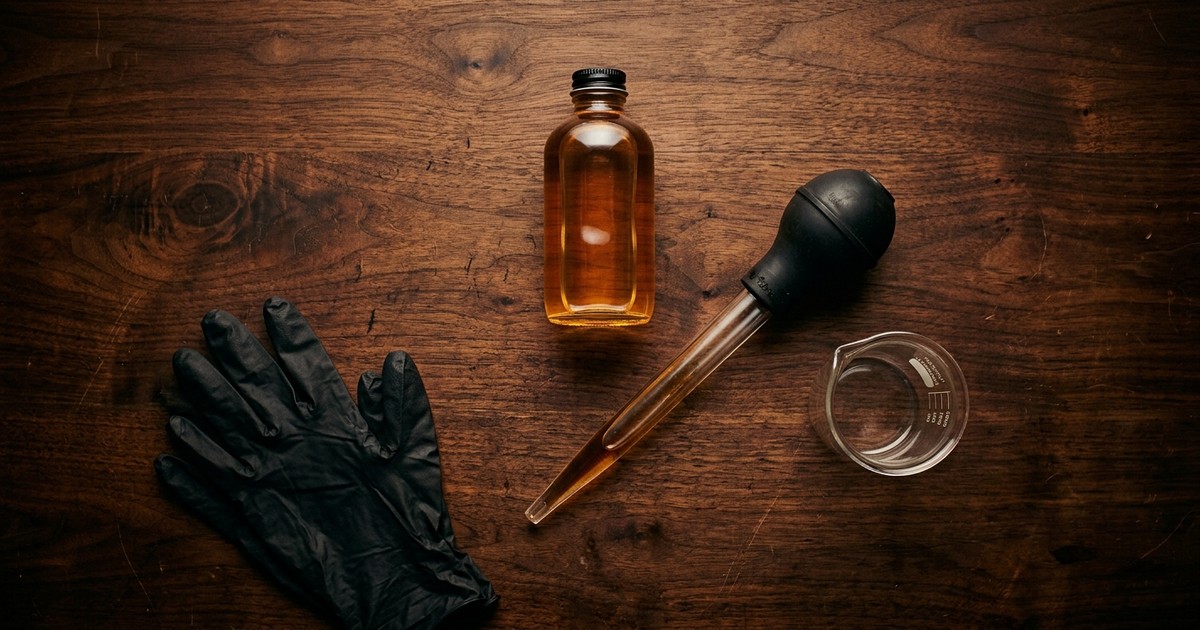
- Color. Fresh brake fluid is clear amber, like apple juice. Dark brown or black fluid has absorbed water and copper from the brake lines.
- Soft pedal under hard braking. If the pedal goes longer after three or four hard stops in a row, fluid is boiling in the calipers. Replace it before the next mountain drive.
Pinion loads your manufacturer's recommended maintenance schedule from your VIN and sends a push reminder before brake fluid is due, useful for a service most owners forget because it's time-based, not mileage-based. For the full schedule including coolant, transmission fluid, and brake pads, see the complete car maintenance schedule.
DOT Ratings Explained
DOT ratings come from FMVSS 116, a federal standard that defines minimum dry and wet boiling points for brake fluid. The DOT number indicates the fluid's chemistry and performance class: higher numbers mean higher boiling points and (with the exception of DOT 5) better moisture resistance. The "dry" boiling point is the new, sealed-bottle spec. The "wet" boiling point is after the fluid absorbs 3.7% water by volume, roughly what happens after 2 years in a typical vehicle.
| DOT Rating | Base | Dry BP | Wet BP | Typical Use |
|---|---|---|---|---|
| DOT 3 | Glycol ether | 401°F (205°C) | 284°F (140°C) | Older domestic, basic Asian-market vehicles |
| DOT 4 | Glycol ether + borate | 446°F (230°C) | 311°F (155°C) | Most modern vehicles, ABS/ESC equipped |
| DOT 4 LV | Low-viscosity glycol | 500°F (260°C) | 311°F (155°C) | BMW, Mercedes, VW, Audi, Porsche, Volvo |
| DOT 5 | Silicone | 500°F (260°C) | 356°F (180°C) | Military vehicles, classic restorations |
| DOT 5.1 | Glycol ether (high-perf) | 518°F (270°C) | 374°F (190°C) | Performance and racing applications |
DOT 3, DOT 4, DOT 4 LV, and DOT 5.1 are all glycol-based and chemically compatible; you can top off DOT 3 with DOT 4 in an emergency without damage. Always use what your manufacturer specifies, but mixing isn't an immediate failure.
DOT 5 is the odd one out. It's silicone-based, dyed purple, and doesn't absorb water. It also does not mix with anything else. Adding a single drop of DOT 5 to a DOT 4 system causes the fluids to separate and form a gel that destroys ABS valves. DOT 5 sees use in military vehicles parked for long periods and in classic cars where preserving paint matters (DOT 5 doesn't eat paint; glycol fluids do).
DOT 3, DOT 4, DOT 4 LV, and DOT 5.1 are all glycol-based and compatible; they can be mixed without damage in an emergency, though it's best to use the spec on your master cylinder cap. DOT 5 is silicone-based, purple, and must NEVER be mixed with the others. Mixing DOT 5 with glycol fluid forms a gel that ruins ABS valves and master cylinder seals.
The "LV" suffix on DOT 4 LV stands for low viscosity. European vehicles with active stability control and ABS pumps that cycle valves rapidly need a thinner fluid to flow through the small passages. Standard DOT 4 is too viscous in cold weather for these systems. If your car calls for DOT 4 LV (Pentosin Super DOT 4, ATE Type 200, VW TL 766-Z), do not substitute standard DOT 4; the stability control system will throw codes and may behave unpredictably in cold-start conditions.
How to Tell If Your Brake Fluid Needs Changing
Three checks tell you whether fluid is ready for replacement: a visual inspection at the reservoir, a moisture test with an electronic tester, and pedal feel under hard braking. None require removing wheels or draining anything.
Visual inspection is free and takes 30 seconds. Pop the hood, find the brake master cylinder (usually mounted on the firewall behind the engine, labeled with a yellow cap), and look at the fluid through the translucent plastic reservoir. Fresh fluid is clear amber. Dark brown, black, or murky fluid has absorbed moisture and copper from the brake lines. Replace it.
Moisture testing uses a $20–$30 electronic tester like the Phoenix Systems V-12 or ATE BrakeCheck. Two probes touch the fluid in the reservoir, and an LED display reads 0%, 1%, 2%, 3%, or 4% water content. Above 3%, the wet boiling point has dropped enough to matter under hard braking. AutoZone, O'Reilly, and most dealer service departments test brake fluid for free.
Copper testing uses paper test strips (Phoenix Systems FasCheck, $10 for 100) that measure copper ion concentration in ppm. Brake lines are typically steel coated in copper. As the corrosion inhibitors in old brake fluid deplete, copper leaches into the fluid. Above 200 ppm copper, internal corrosion has begun on master cylinder bores, ABS valves, and caliper pistons.
Pedal feel is the last warning. If the brake pedal feels firm at first but sinks toward the floor after three or four hard stops (say, descending a long grade), the fluid is boiling in the calipers and creating vapor pockets in the lines. This is when fluid replacement stops being maintenance and becomes a safety issue.
DIY Brake Fluid Change
A brake fluid change is one of the more approachable DIY brake jobs, simpler than a brake pad replacement because nothing comes apart. The job takes 60–90 minutes, costs under $50 in fluid and supplies, and uses tools most DIY mechanics already own.
Tools and materials:
- 32 oz of manufacturer-specified DOT brake fluid (sealed bottle — do not use an opened bottle that's been on the shelf for months)
- 10mm or 11mm box-end wrench for bleeder screws (2001-2015 Civics and Accords use 8mm)
- 3 feet of clear vinyl tubing (3/16" ID, fits most bleeders)
- Catch bottle — an empty water bottle works, or a Motive #1820 bleeder bottle ($8)
- Turkey baster or large syringe for emptying the reservoir
- Jack and jack stands rated for the vehicle
- Lug wrench or impact gun
- Brake cleaner and shop rags
Optional but recommended:
- Motive Power Bleeder #0100 ($60–$80) — pressurizes the reservoir so you can bleed each wheel solo
- Russell SpeedBleeder or one-person bleeder kit ($15–$25)
- Brake fluid tester (Phoenix V-12, $25)
Steps:
- Buy fresh fluid in a sealed bottle. Brake fluid begins absorbing moisture as soon as the seal breaks. Use a factory-sealed bottle, not one that's been opened. Match the DOT rating on your master cylinder cap (usually DOT 3, DOT 4, or DOT 4 LV).
- Extract old fluid from the reservoir. Pop the master cylinder cap. Use a turkey baster or syringe to remove as much of the dark old fluid as possible without uncovering the inlet ports at the bottom. Wipe the reservoir clean with a lint-free rag. Refill to MAX with fresh fluid.
- Lift the vehicle and remove the wheels. Loosen lug nuts before jacking. Raise the car on jack stands rated for its weight. Remove all four wheels for access, or work one corner at a time if you're alone with limited stands.
- Start at the wheel farthest from the master cylinder. On most vehicles, that's passenger rear → driver rear → passenger front → driver front. A few 4-channel ABS vehicles (Toyotas, Hondas) call for a different sequence; check the service manual. Following the wrong order can leave air trapped in long brake lines.
- Attach clear tubing to the bleeder screw. Slip the tubing over the bleeder fitting at the back of the caliper. Route the other end into a catch bottle that already has an inch of fresh fluid in it, with the tube end submerged. This prevents air from being sucked back into the caliper when the bleeder closes.
- Open the bleeder and flush. With a helper pressing the pedal slowly to the floor and holding, crack the bleeder open with a 10mm or 11mm wrench. Old, dark fluid flows out. Close the bleeder before the helper releases the pedal. Repeat 8–12 times per wheel, or until the fluid running through the tubing turns clear amber.
- Top off the reservoir between wheels. Check the master cylinder after each wheel. Refill before fluid drops below MIN. If the reservoir runs dry, air enters the master cylinder and you'll have to bleed the entire system again, or worse, bench-bleed the master cylinder, which is a much bigger job.
- Test pedal feel before driving. With the engine off, press the pedal five or six times. It should feel firm and stop high in the travel. A soft pedal that sinks slowly means air is still trapped. Bleed the affected wheel again. Once the pedal is firm, test at 5 mph in a clear area before normal driving.
After the job, log the service with your mileage and DOT rating so the next reminder lands at the correct interval: two or three years from today.
Safety notes: Brake fluid eats paint. Cover fenders with a towel and rinse any spills immediately with water. The fluid is also mildly toxic; wear nitrile gloves and avoid skin contact. Used brake fluid goes to the same auto parts store recycling drop-off as used motor oil.
When DIY isn't enough: If your vehicle has electronic stability control with an ABS pump (most cars built after 2012), the pump assembly holds 2–4 oz of old fluid that a manual bleed can't reach. After a manual flush, the system contains 75–90% fresh fluid. For a complete exchange, the ABS module needs to be activated by a scan tool: Autel MaxiCheck Pro ($300), Foxwell NT530 ($200), or a dealer scan tool. Most owners skip this step and accept the partial flush.
When to Get Brake Fluid Changed With Other Brake Work
If you're already paying for brake work (pad replacement, caliper repair, rotor turning), adding a fluid flush is the cheapest time to do it. The lines are already going to lose fluid during the pad push-back, and the labor is partially shared. Shops typically charge $40–$70 for a fluid flush bundled with brake pad service, vs. $80–$150 done as a standalone visit.
Worth flushing fluid at the same time:
- Brake pad replacement (compressing the caliper piston pushes old fluid back into the reservoir, where it mixes with whatever was already there)
- Caliper replacement or rebuild (the line is already open)
- Brake hose replacement (mandatory: you've drained the system)
- Master cylinder replacement (mandatory)
- Buying a used car (you don't know its history)
NHTSA has issued multiple recent recalls tied to brake fluid contamination and system failures, including campaigns covering Hyundai Tucson and Santa Fe ABS modules (Campaign 22V-684 area) and Ford F-150 brake master cylinder issues. Check nhtsa.gov/recalls with your VIN before booking the appointment so any open recall work gets bundled into the visit.
Frequently Asked Questions
How much does a brake fluid change cost?
A brake fluid flush costs $80–$150 at an independent shop, or $120–$200 at a dealership. DIY cost: $10–$20 for a bottle of DOT 4 brake fluid plus a $15 one-person bleeder kit. European vehicles (BMW, Mercedes) typically use DOT 4 LV (low viscosity) fluid that costs $15–$25 per bottle vs. $8–$12 for standard DOT 3/4. RepairPal's 2026 data shows most cars fall in the $100–$175 range for a complete four-wheel flush.
How often should you change brake fluid?
Most manufacturers recommend every 2–3 years regardless of mileage. Honda specifies every 3 years, Subaru every 30,000 miles, BMW every 2 years. If your brake fluid tests above 3% moisture content (any shop can test this in 30 seconds with a $30 tester), it needs changing. Dark brown or black brake fluid has absorbed too much moisture and should be replaced.
What do DOT 3, DOT 4, and DOT 5.1 mean?
DOT ratings come from FMVSS 116, a federal standard that defines minimum dry and wet boiling points for brake fluid. DOT 3 boils at 401°F dry / 284°F wet, DOT 4 at 446°F / 311°F, and DOT 5.1 at 518°F / 374°F. All three are glycol-based and can be mixed, though it's best to use what your manufacturer specifies. DOT 5 is silicone-based, purple, and must never be mixed with the others; it is used in military vehicles and classic cars.
Can I drive with old brake fluid?
You can, but the pedal will feel soft and the brakes will fade under hard or repeated stops (like a long mountain descent or an emergency stop). Brake fluid that has absorbed 3%+ water by volume can boil under heavy braking, creating vapor pockets in the lines that compress when you press the pedal. The result is a pedal that sinks to the floor with no stopping power. This is the failure mode that kills brake systems in older or neglected cars.
Is a brake fluid flush really necessary?
Yes, for almost every modern vehicle. Brake fluid is hygroscopic; it pulls moisture from the air through microscopic pores in rubber brake hoses and around reservoir seals. After 2–3 years, water content typically reaches 2–3%, dropping the boiling point by 100°F or more and accelerating corrosion of ABS valves, caliper pistons, and master cylinder bores. The few exceptions are vehicles that use DOT 5 silicone fluid, which doesn't absorb water.
Can you do a brake fluid change yourself?
Yes, if you can lift the car safely and have basic hand tools. The job takes 60–90 minutes with a one-person bleeder kit ($15–$30) or a Motive power bleeder ($60–$80). You'll need 32 oz of fresh brake fluid in your manufacturer's specified DOT rating, a 10mm or 11mm wrench for the bleeder screws, and a clear catch bottle. The procedure works one wheel at a time, starting at the corner farthest from the master cylinder.
Frequently Asked Questions
Vlad Kuzin
Developer of Pinion. Writes about car maintenance to help people save money and stay safe on the road.